
Hoola van Nooten, Weißer Vogelfangbaum, 1880, Chromolithograph
€110.85
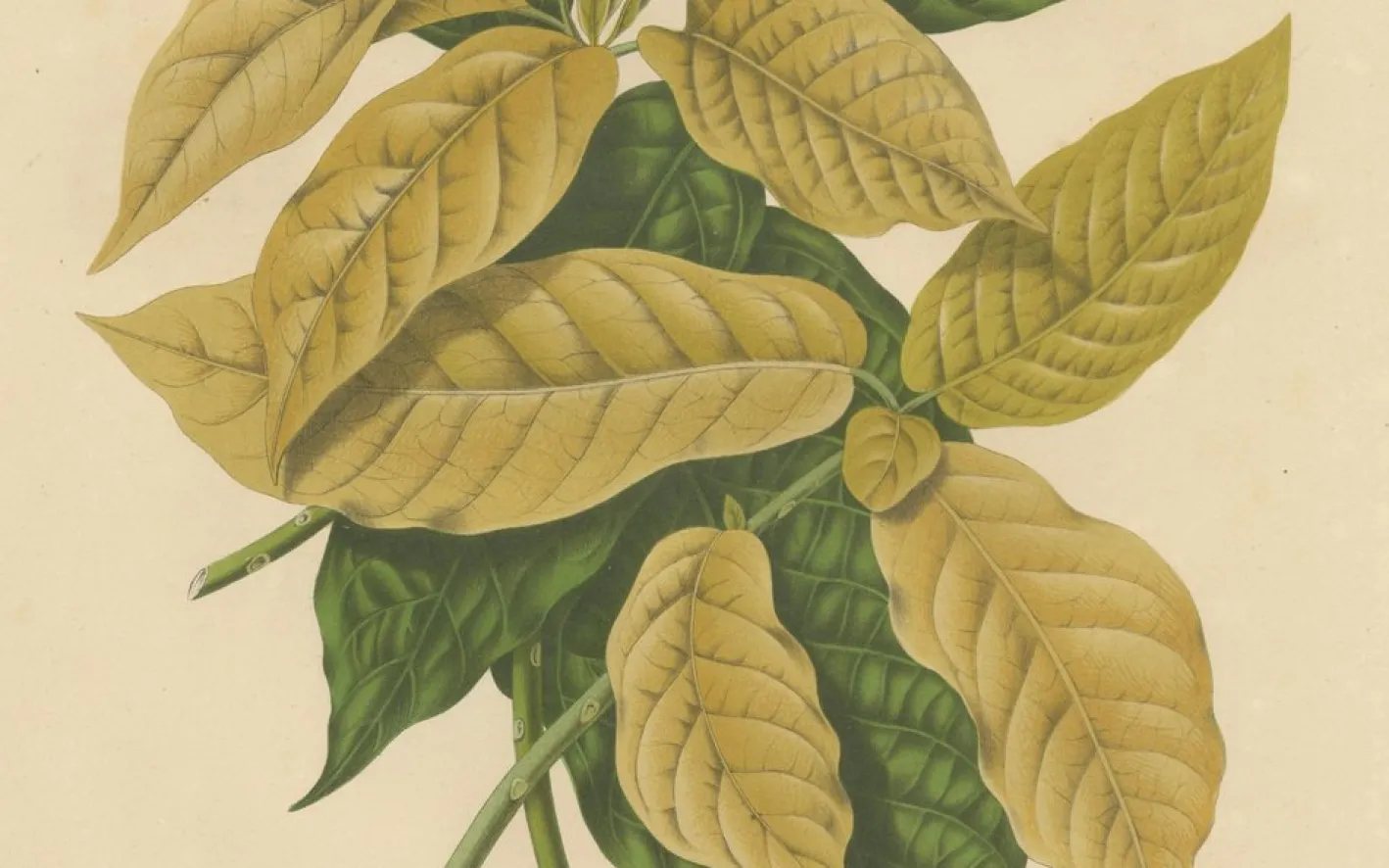
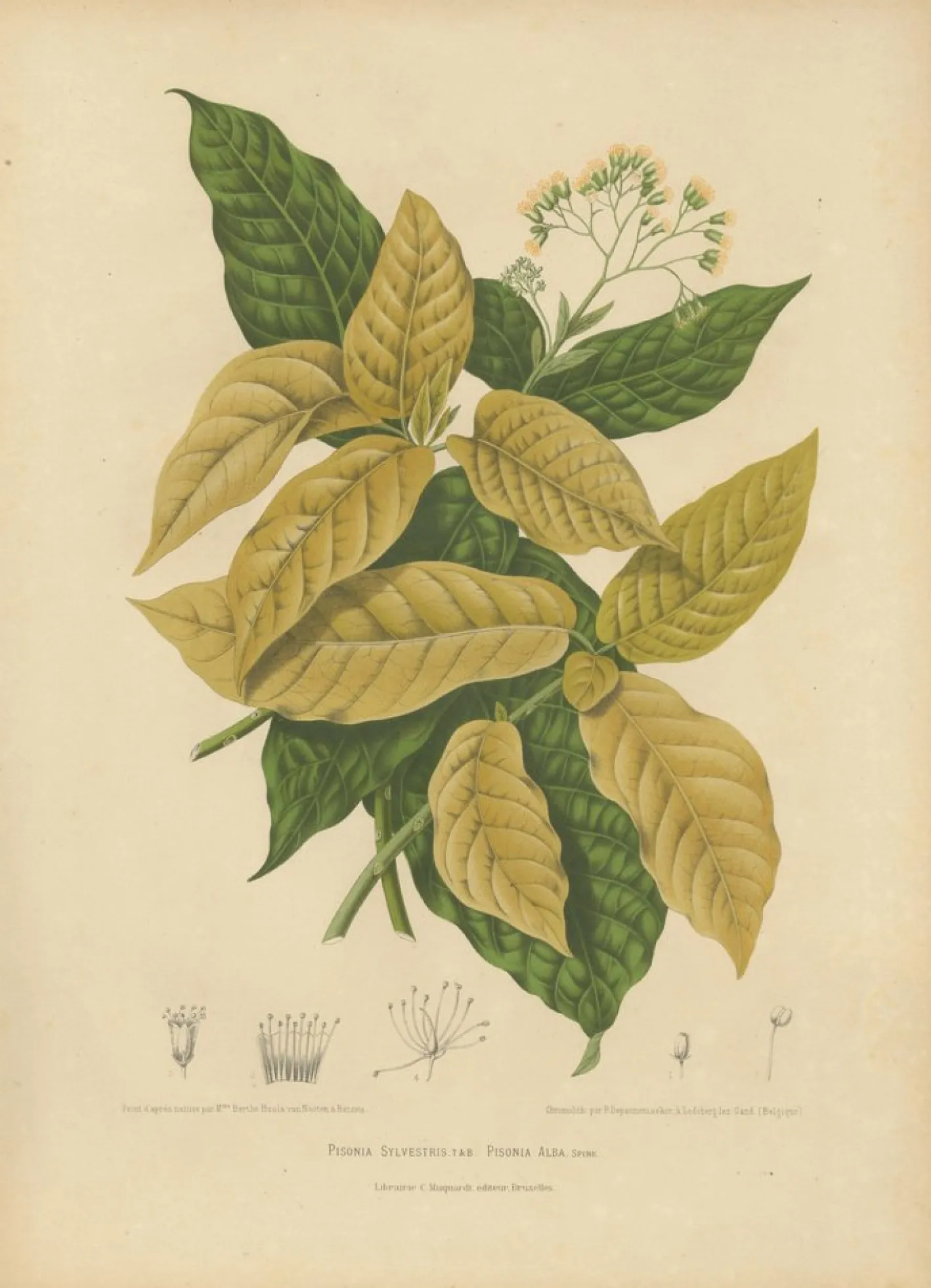
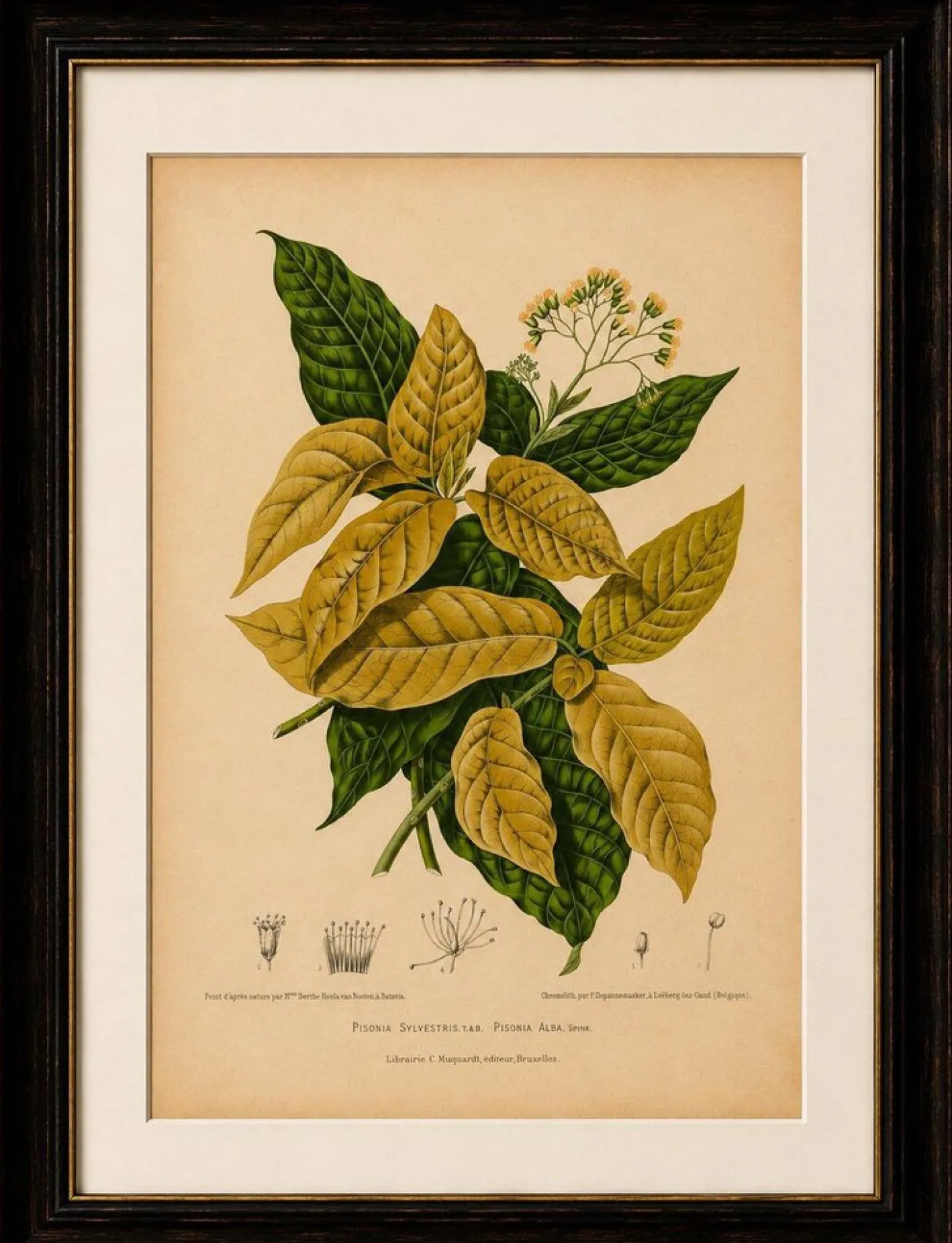
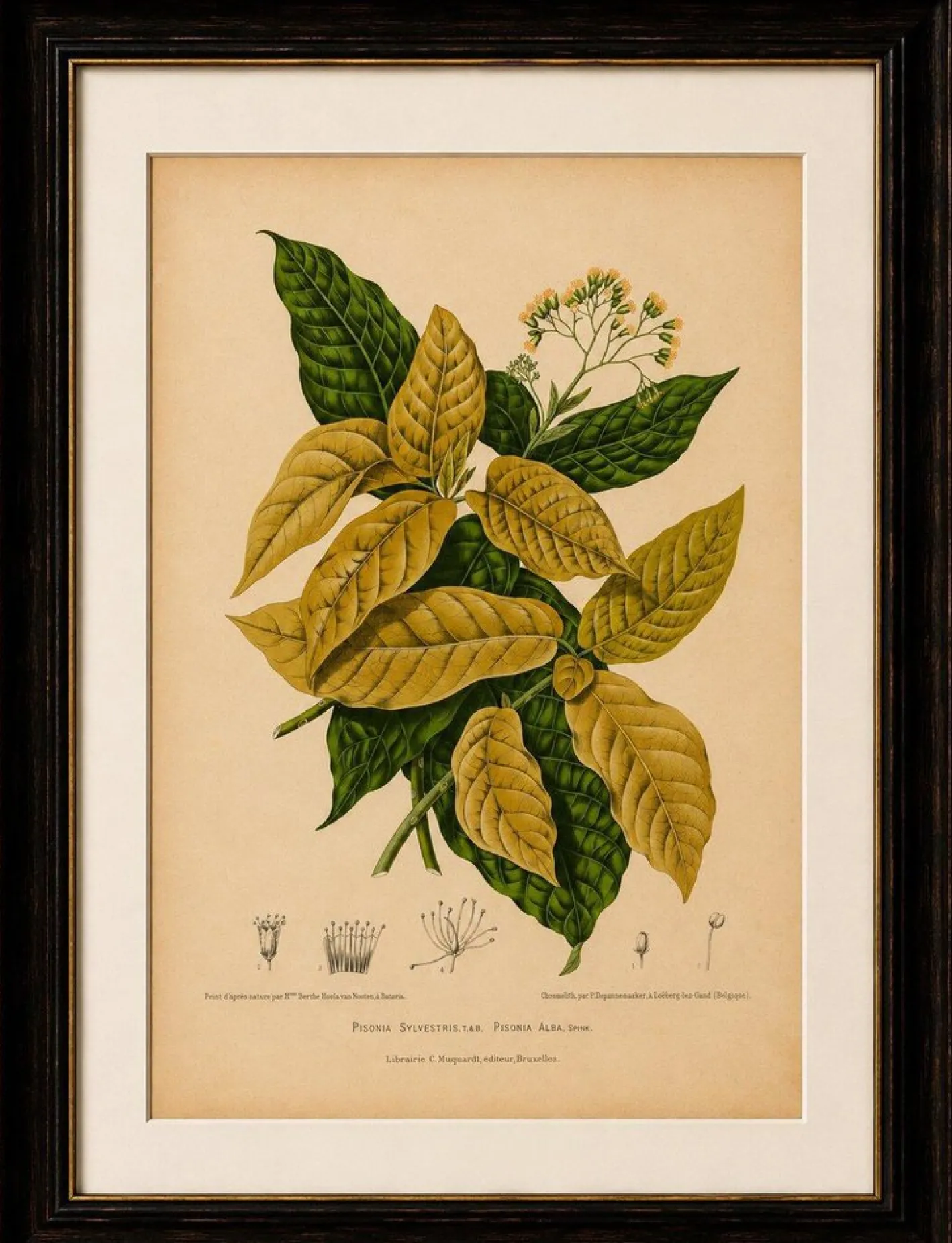
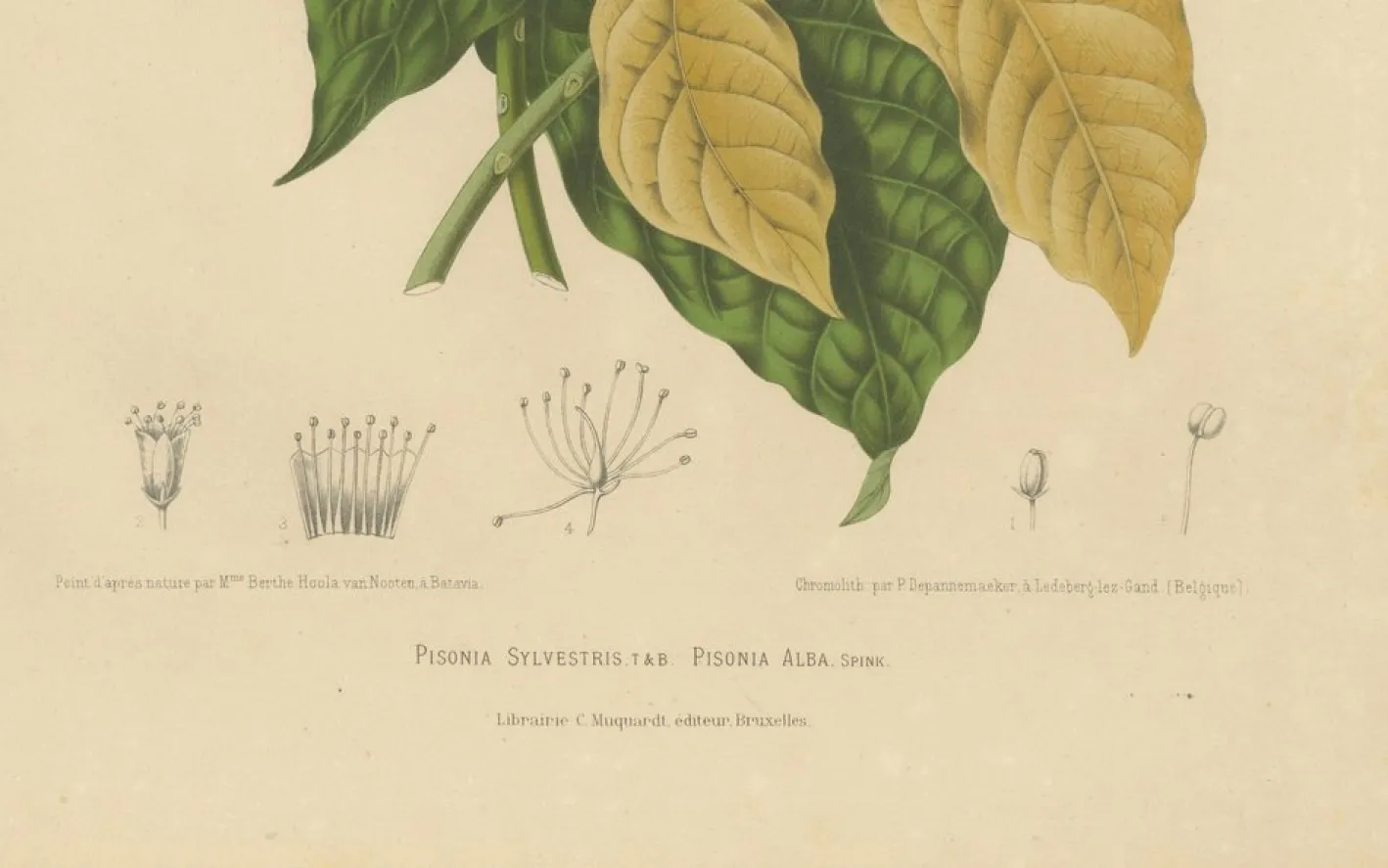
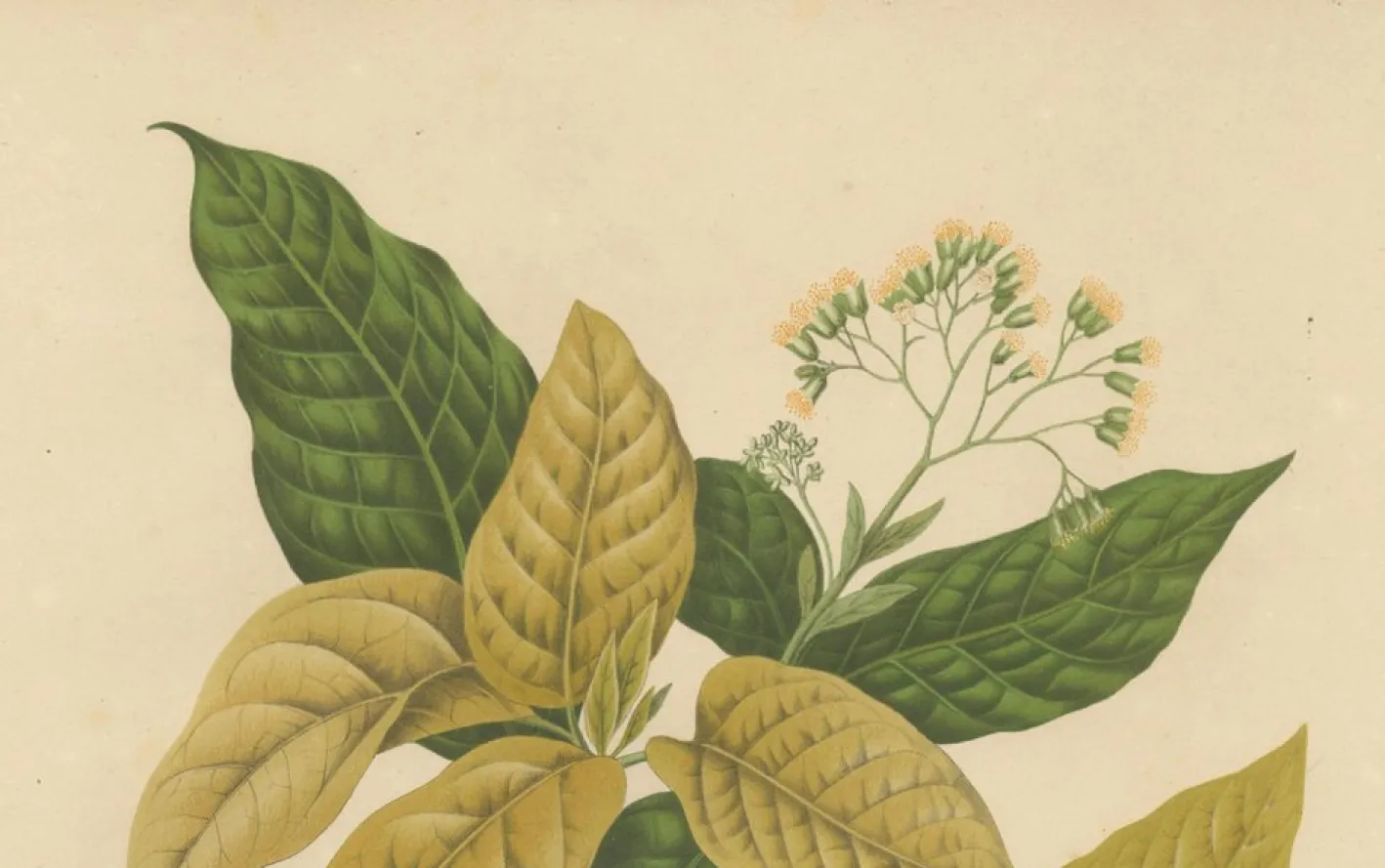
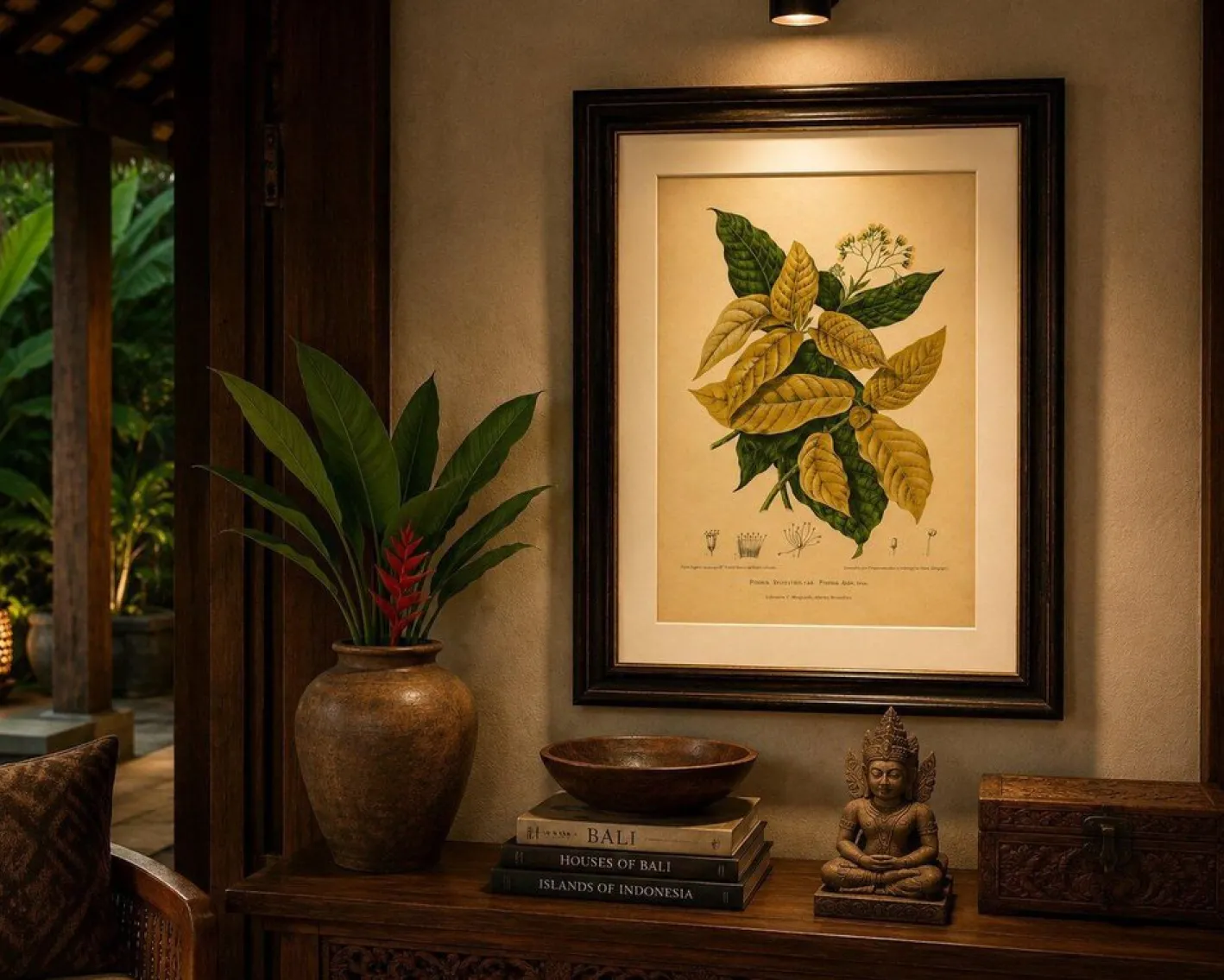
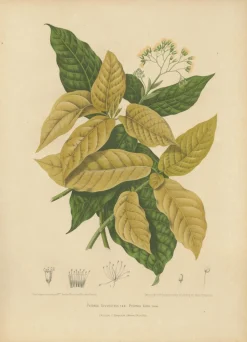
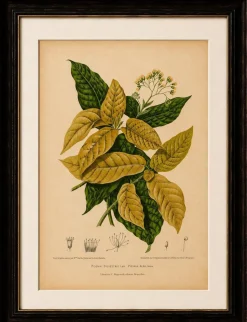
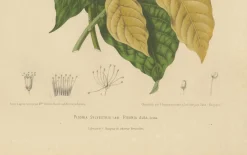
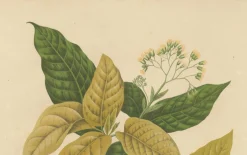
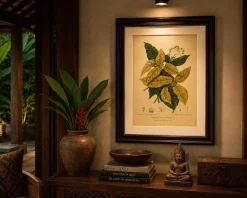
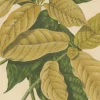
Title: Original Antique Botanical Chromolithograph of White Birdcatcher Tree, c. 1880 : A beautiful original antique botanical chromolithograph depicting Pisonia sylvestris T. & B. and Pisonia alba Spink, tropical trees commonly known as the White Birdcatcher Tree or Lettuce Tree. Native to Southeast Asia and the islands of the Pacific, these elegant species are admired for their striking foliage, delicate clusters of fragrant flowers, and graceful tropical habit. The illustration contrasts the fresh pale-golden young leaves with the mature deep green foliage, accompanied by finely executed botanical studies of the flowers and reproductive structures. The harmonious composition and subtle coloration make this one of the most sophisticated foliage studies from Berthe Hoola van Nooten’s celebrated botanical publication. The artwork was painted from life on the island of Java by the distinguished Dutch botanical artist Berthe Hoola van Nooten (1817–1892). It was published in her masterpiece, Fleurs, Fruits et Feuillages Choisis de l’Ile de Java, widely regarded as one of the finest nineteenth-century botanical publications devoted to the flora of the Dutch East Indies. Printed in rich chromolithography by P. De Pannemaeker of Ghent, this plate was issued in the third edition published in Brussels by Librairie Européenne C. Muquardt around 1880. The common name „Birdcatcher Tree“ refers to the sticky fruits produced by many Pisonia species, which can adhere to birds and aid seed dispersal. Despite this unusual characteristic, the trees are highly valued as ornamental specimens for their lush tropical foliage and attractive branching habit, and are widely cultivated throughout Indonesia and other tropical regions. This is an original antique print, printed circa 1880, and not a modern reproduction or later copy. Artist: Berthe Hoola van Nooten (1817–1892) Publication: Fleurs, Fruits et Feuillages Choisis de l’Ile de Java Publisher: Librairie Européenne C. Muquardt, Brussels Printer: P. De Pannemaeker, Ghent Date: Circa 1880 Medium: Original chromolithograph on wove paper. Condition: Good antique condition with age-related toning, occasional foxing and light handling wear consistent with age. Please examine all photographs carefully, as they form part of the . Please note that any framed images are for display inspiration only. The print is sold unframed. Framed mock-ups are not always shown to exact scale and are intended solely to illustrate how the artwork may look when displayed. Keywords: original antique print, original chromolithograph, botanical print, Pisonia alba, Pisonia sylvestris, White Birdcatcher Tree, Birdcatcher Tree, Lettuce Tree, tropical foliage, tropical tree, Southeast Asian flora, Indonesia, Java, Dutch East Indies, Berthe Hoola van Nooten, Victorian botanical illustration, nineteenth century botanical print, antique botanical wall art, natural history print, scientific illustration, P. De Pannemaeker, Muquardt Brussels, museum quality botanical art, rare botanical print, collectible botanical print, circa 1880 This is a refined foliage plate rather than a spectacular flowering or fruit subject. Its elegant composition and subtle color palette make it highly decorative for contemporary interiors, while its botanical importance and rarity justify the price.
Titel: Antike botanische Original-Chromolithografie des Weißen Vogelfängerbäumchens, um 1880: Eine wunderschöne antike botanische Original-Chromolithografie, die Pisonia sylvestris T. & B. und Pisonia alba Spink darstellt, tropische Bäume, die gemeinhin als „Weißes Vogelfängerbäumchen“ oder „Salatbaum“ bekannt sind. Diese eleganten Arten, die in Südostasien und auf den Pazifikinseln heimisch sind, werden wegen ihres auffälligen Laubs, ihrer zarten, duftenden Blütenstände und ihres anmutigen tropischen Wuchses bewundert. Die Illustration kontrastiert die frischen, blassgoldenen jungen Blätter mit dem reifen, tiefgrünen Laub und wird von fein ausgeführten botanischen Studien der Blüten und Fortpflanzungsorgane begleitet. Die harmonische Komposition und die subtile Farbgebung machen dieses Werk zu einer der raffiniertesten Blattstudien aus Berthe Hoola van Nootens gefeierter botanischer Publikation. Das Kunstwerk wurde von der angesehenen niederländischen Botanikkünstlerin Berthe Hoola van Nooten (1817–1892) nach der Natur auf der Insel Java gemalt. Es erschien in ihrem Meisterwerk „Fleurs, Fruits et Feuillages Choisis de l’Ile de Java“, das weithin als eine der besten botanischen Publikationen des 19. Jahrhunderts gilt, die der Flora von Niederländisch-Indien gewidmet ist. Diese in reichhaltiger Chromolithografie von P. De Pannemaeker aus Gent gedruckte Tafel erschien in der dritten Auflage, die um 1880 in Brüssel von der „Librairie Européenne C. Muquardt“ herausgegeben wurde. Der gebräuchliche Name „Vogelfangbaum“ bezieht sich auf die klebrigen Früchte vieler Pisonia-Arten, die an Vögeln haften bleiben und so die Samenverbreitung unterstützen können. Trotz dieser ungewöhnlichen Eigenschaft werden die Bäume wegen ihres üppigen tropischen Laubs und ihres attraktiven Wuchses als Zierpflanzen hoch geschätzt und in ganz Indonesien sowie anderen tropischen Regionen weit verbreitet angebaut. Es handelt sich hierbei um einen antiken Originaldruck aus der Zeit um 1880 und nicht um eine moderne Reproduktion oder spätere Kopie. Künstlerin: Berthe Hoola van Nooten (1817–1892) Veröffentlichung: Fleurs, Fruits et Feuillages Choisis de l’Ile de Java Verlag: Librairie Européenne C. Muquardt, Brüssel Drucker: P. De Pannemaeker, Gent Datum: Um 1880 Medium: Original-Chromolithografie auf Büttenpapier. Zustand: Guter antiker Zustand mit altersbedingter Verfärbung, vereinzelten Stockflecken und leichten Gebrauchsspuren, die dem Alter entsprechen. Bitte prüfen Sie alle Fotos sorgfältig, da sie Teil der Beschreibung sind. Bitte beachten Sie, dass gerahmte Abbildungen lediglich als Inspiration für die Präsentation dienen. Der Druck wird ungerahmt verkauft. Gerahmte Darstellungen sind nicht immer maßstabsgetreu und dienen ausschließlich dazu, zu veranschaulichen, wie das Kunstwerk bei der Präsentation aussehen könnte. Stichworte: antiker Originaldruck, Original-Chromolithografie, botanischer Druck, Pisonia alba, Pisonia sylvestris, Weißer Vogelfängerbaum, Vogelfängerbaum, Salatbaum, tropisches Laub, tropischer Baum, südostasiatische Flora, Indonesien, Java, Niederländisch-Indien, Berthe Hoola van Nooten, viktorianische botanische Illustration, botanischer Druck aus dem 19. Jahrhundert, antike botanische Wandkunst, naturhistorischer Druck, wissenschaftliche Illustration, P. De Pannemaeker, Muquardt Brüssel, botanische Kunst in Museumsqualität, seltener botanischer Druck, botanischer Sammeldruck, um 1880. Es handelt sich hierbei eher um eine raffinierte Blattwerk-Darstellung als um ein spektakuläres Blüten- oder Fruchtmotiv. Ihre elegante Komposition und die dezente Farbpalette machen sie zu einem äußerst dekorativen Element für moderne Innenräume, während ihre botanische Bedeutung und Seltenheit den Preis rechtfertigen.
Klicken Sie hier für die vollständige BeschreibungSchließen
| Produktionszeitraum | Vor 1890 |
|---|---|
| Hergestellt in | Belgien |
| Stil | Realismus |
| Zustand | Sehr gut — Dieser Vintage/antike Artikel hat keine Mängel, kann jedoch leichte Gebrauchsspuren aufweisen. |
| Artikelnummer | YFW-2602864 |
| Details über Schäden und Restaurierungen |
Altersbedingte Verfärbungen, vereinzelte Stockflecken und leichte Gebrauchsspuren
Age-related toning, occasional foxing and light handling wear
Automatisch generierte Übersetzung |
| Material | Papier |
| Farbe | Gold, Grün, Weiß |
| Breite | 40 cm 40 cm |
| Tiefe | 1 cm 1 cm |
| Höhe | 56 cm 55.5 cm |
Be the first to review “Hoola van Nooten, Weißer Vogelfangbaum, 1880, Chromolithograph”
Related products
Druckgraphiken Und Multiples

Arbeiten Auf Papier
Impressionismus
Abstraction
Arbeiten Auf Papier
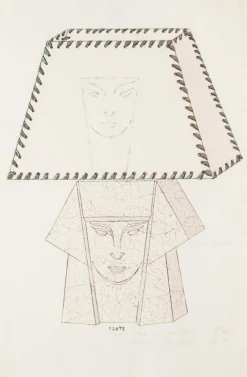
Unknown – Lamp – Original China Ink and Watercolor – Late 19. Jh

Abstraction
Reviews
There are no reviews yet.