


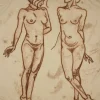
Fritz Uphoff, Zwei Weibliche Akte, 1930, Rote Kreidezeichnung
€119.45
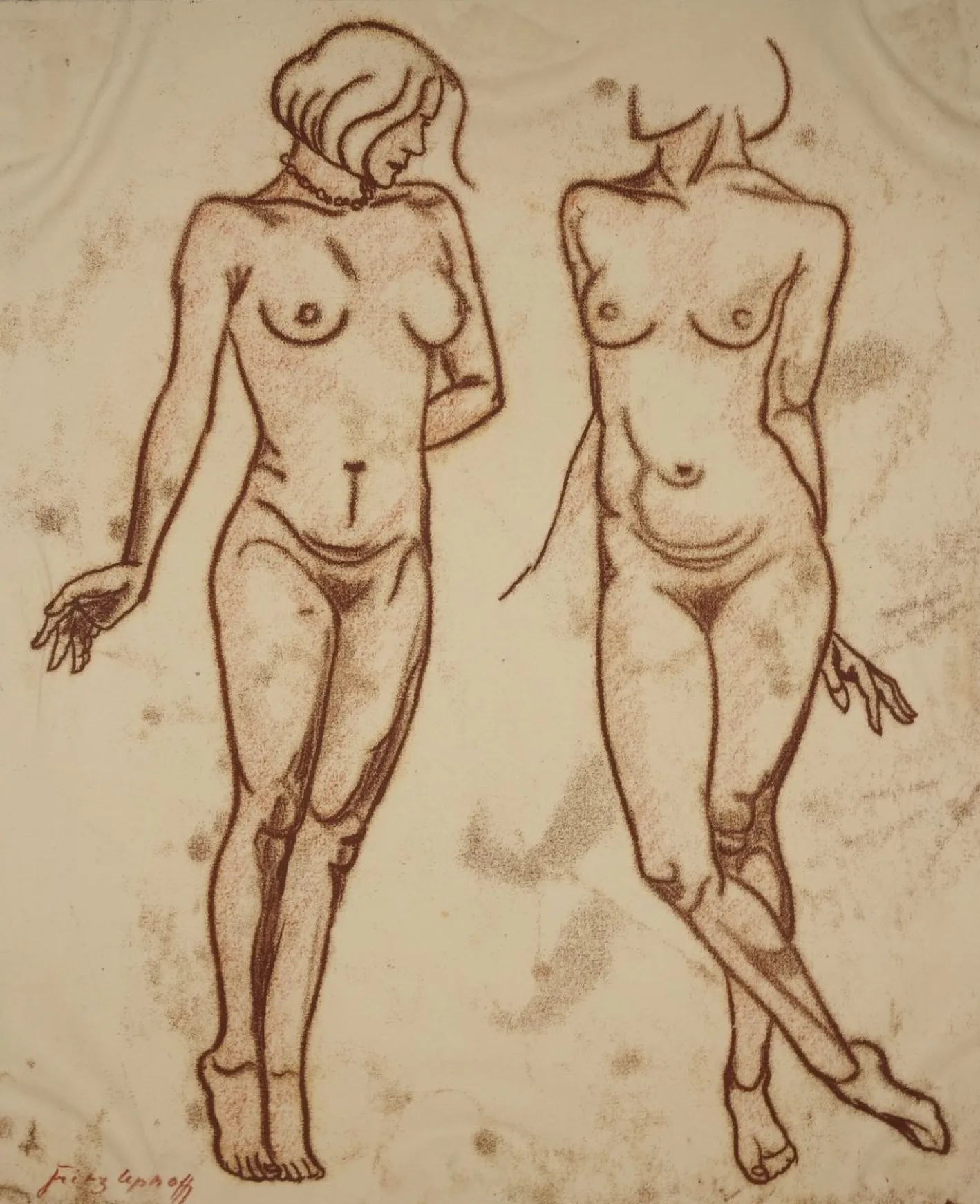
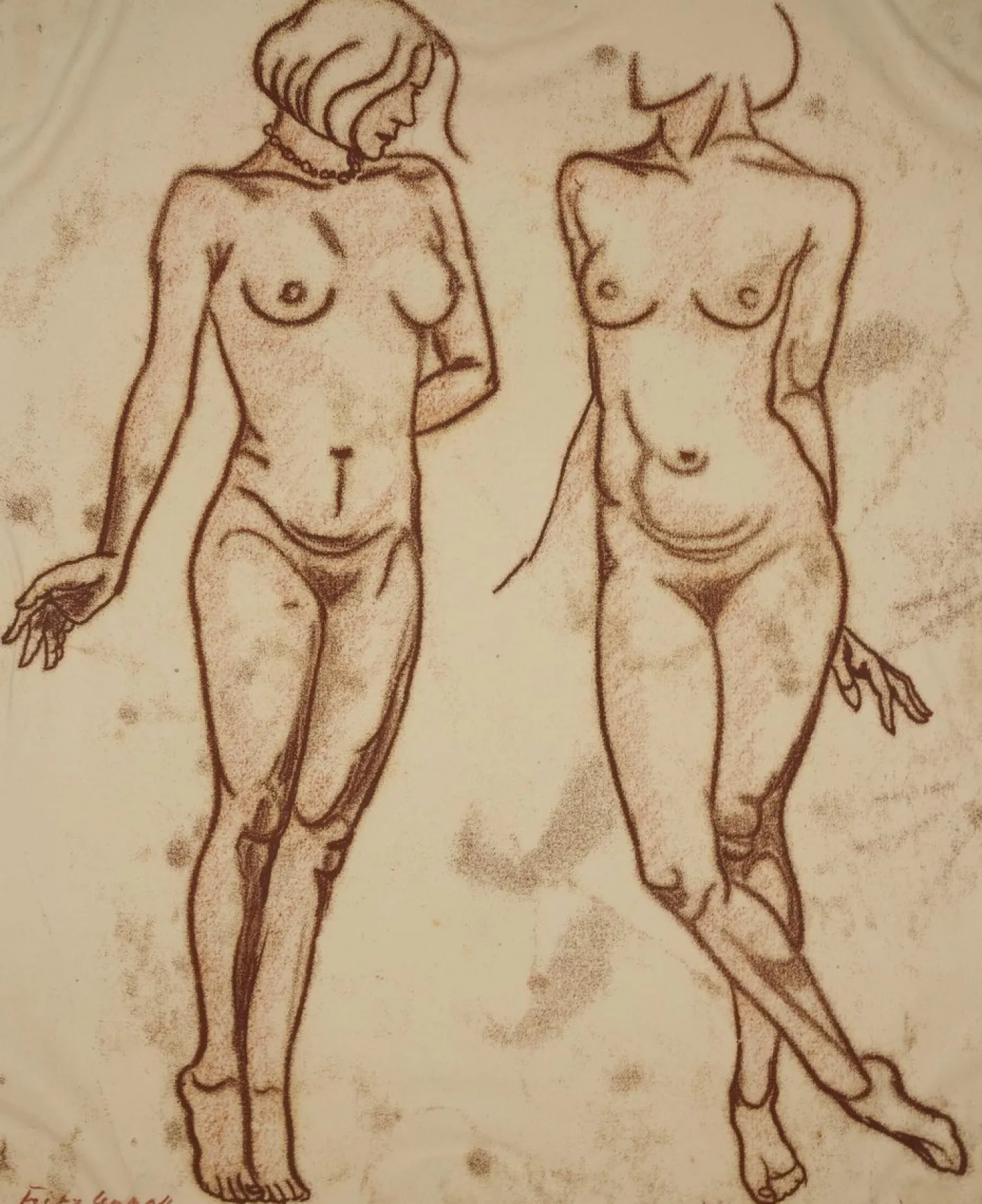
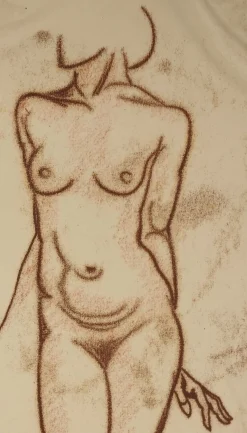
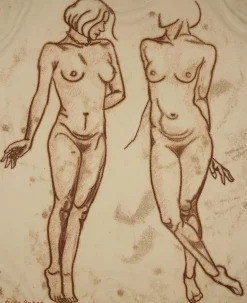
Fritz Uphoff (1890 Witten – 1966 Worpswede), Two Female Nudes, ca. 1930. Red chalk drawing on paper with a colored overcoat, 46.5 cm x 38 cm (sheet size), mounted on thin cardboard, signed “Fritz Uphoff” in the lower left corner.
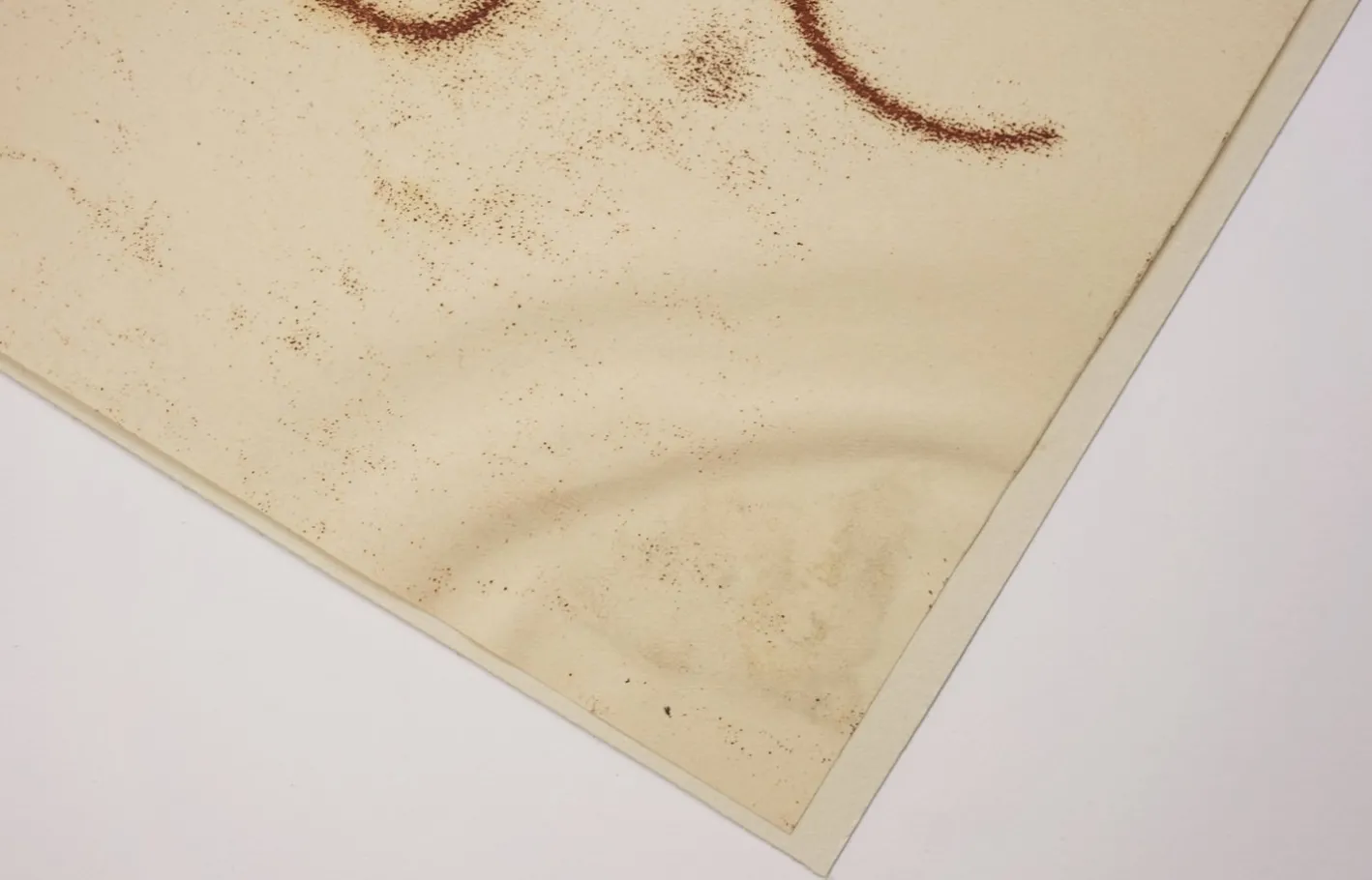
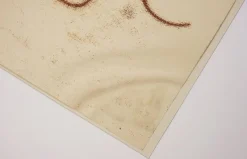
– Wavy at the corners due to mounting
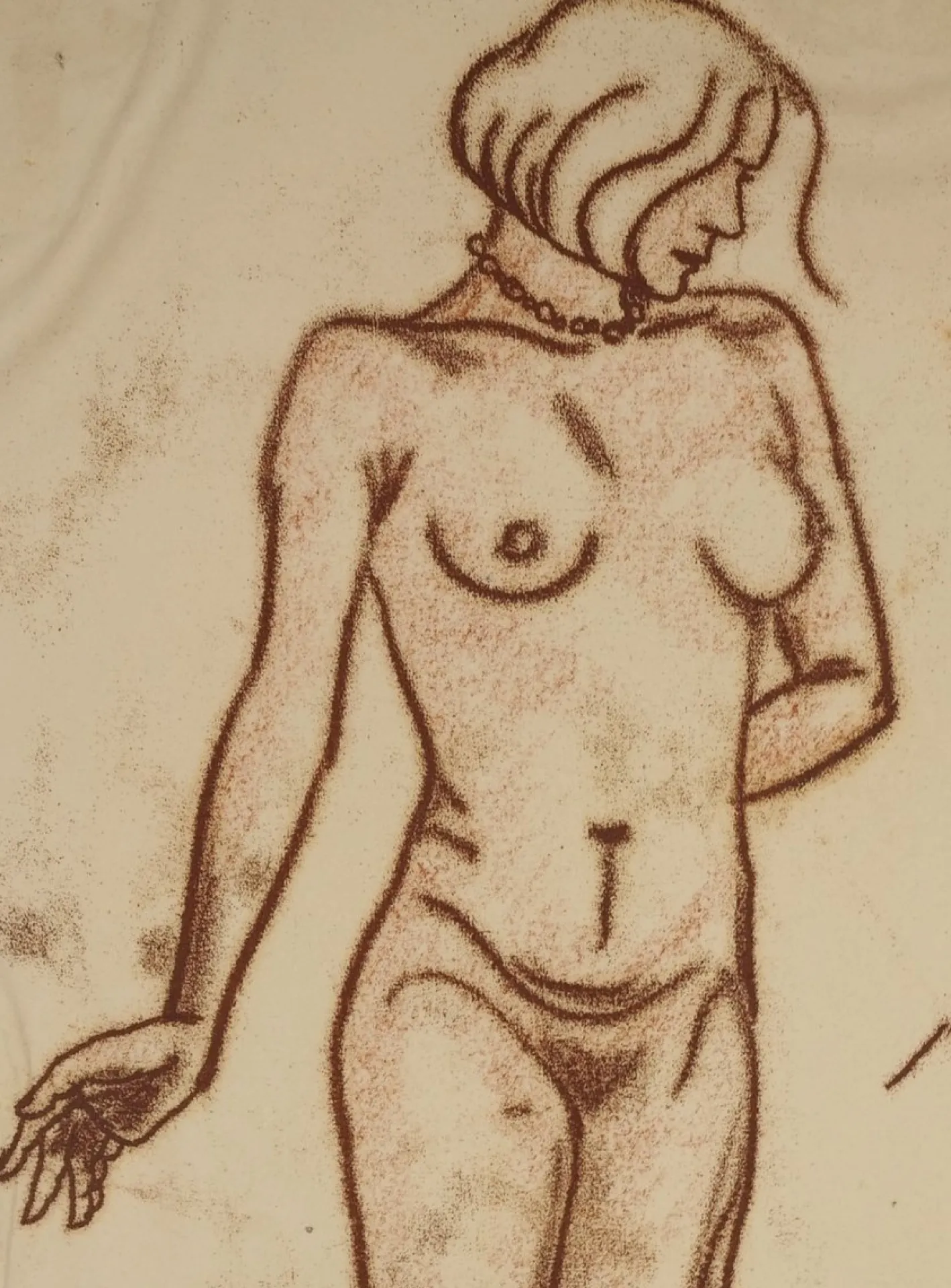
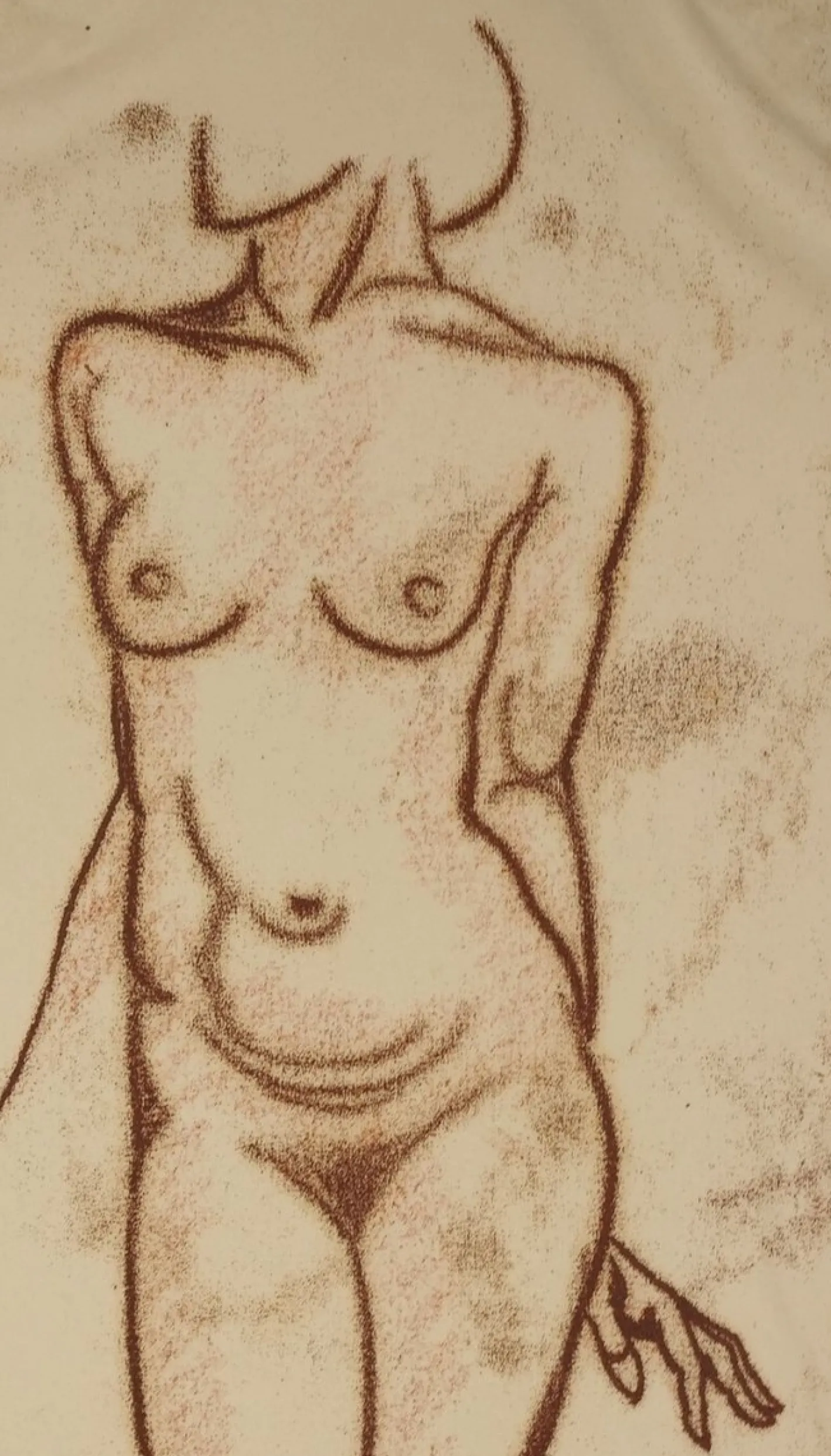
The female bodies are defined by contour lines that are as strong as they are precise. Facing each other slightly, they assume a dance-like pose that lends dynamism to their figures. At the same time, this creates a symmetry directed toward the viewer, through which these modern women present their beauty. The colored hatching, particularly on the bodies, evokes a sense of soft physicality and lends the depiction a sensual vibrato.
About the Artist
After training in stained glass and mosaics, Fritz Uphoff began his studies at the School of Applied Arts in Elberfeld, which he continued in Munich, where he also attended Heinrich Knirr’s painting school. Numerous study trips took him to Belgium, France, the Netherlands, and Austria. Around 1913, he settled in the artists’ colony of Worpswede, where he married the painter Lore Schill. Together with her and his brother, the painter Carl Emil Uphoff, he founded the “Werkgemeinschaft Worpswede für Buchkunst” a few years later. During the Nazi era, he was a member of the Reich Chamber of Fine Arts, but participated in only a few exhibitions, including one organized by the Relief Organization for German Fine Arts within the Nazi People’s Welfare Association, which attests to his precarious situation.
Fritz Uphoff (1890 Witten – 1966 Worpswede), Zwei weibliche Akte, um 1930, Rötelzeichnung auf farbig überrolltem Papier, 46,5 cm x 38 cm (Blattgröße), auf dünnem Karton montiert, links unten mit „Fritz Uphoff“ signiert.
– montagebedingt an den Eckbereichen gewellt
Die Frauenkörper sind durch gleichermaßen starke wie präzise Konturlinien geformt. Leicht einander zugewandt nehmen sie eine tänzerische Haltung ein, die ihre Gestalten dynamisiert. Dabei wird zugleich eine auf den Betrachter gerichtete Symmetrie erzeugt, mit der die modernen Frauen ihre Schönheit präsentieren. Die insbesondere die Körper betreffenden farbigen Schraffuren evozieren den Eindruck weicher Leiblichkeit und verleihen der Darstellung ein sinnliches Vibrato.
zum Künstler
Nach einer Ausbildung für Glasmalerei und Mosaik begann Fritz Uphoff ein Studium an der Kunstgewerbeschule in Elberfeld, das er in München fortsetzt, wo er zudem die Malschule von Heinrich Knirr besuchte. Zahlreiche Studienreisen führten ihn nach Belgien, Frankreich, die Niederlande und Österreich. Gegen 1913 ließ er sich in der Künstlerkolonie Worpswede nieder und heiratete dort die Malerin Lore Schill. Gemeinsam mit ihr und seinem Bruder, dem Maler Carl Emil Uphoff, gründete er einige Jahre später die „Werkgemeinschaft Worpswede für Buchkunst“. Während der Zeit des Nationalsozialismus war er Mitglied der Reichskammer der bildenden Künste, nahm allerdings nur an wenigen Ausstellungen teil, darunter, beim Hilfswerk für die deutsche bildende Kunst in der NS-Volkswohlfahrt, was von seiner prekären Situation zeugt.
ENGLISH VERSION
Fritz Uphoff (1890 Witten – 1966 Worpswede), Two Female Nudes, ca. 1930. Red chalk drawing on paper with a colored overcoat, 46.5 cm x 38 cm (sheet size), mounted on thin cardboard, signed “Fritz Uphoff” in the lower left corner.
– Wavy at the corners due to mounting
The female bodies are defined by contour lines that are as strong as they are precise. Facing each other slightly, they assume a dance-like pose that lends dynamism to their figures. At the same time, this creates a symmetry directed toward the viewer, through which these modern women present their beauty. The colored hatching, particularly on the bodies, evokes a sense of soft physicality and lends the depiction a sensual vibrato.
About the Artist
After training in stained glass and mosaics, Fritz Uphoff began his studies at the School of Applied Arts in Elberfeld, which he continued in Munich, where he also attended Heinrich Knirr’s painting school. Numerous study trips took him to Belgium, France, the Netherlands, and Austria. Around 1913, he settled in the artists’ colony of Worpswede, where he married the painter Lore Schill. Together with her and his brother, the painter Carl Emil Uphoff, he founded the “Werkgemeinschaft Worpswede für Buchkunst” a few years later. During the Nazi era, he was a member of the Reich Chamber of Fine Arts, but participated in only a few exhibitions, including one organized by the Relief Organization for German Fine Arts within the Nazi People’s Welfare Association, which attests to his precarious situation.
Klicken Sie hier für die vollständige BeschreibungSchließen
| Epoche | 1920 bis 1949 |
|---|---|
| Produktionszeitraum | 1930 bis 1939 |
| Hergestellt in | Deutschland |
| Stil | Figurative |
| Zustand | Gut — Dieser Vintage/antike Artikel kann einige Gebrauchsspuren wie Kratzer und andere Zeichen der Zeit aufweisen. |
| Details über Schäden und Restaurierungen |
Leichte altersbedingte Gebrauchsspuren, An den Ecken wellig aufgrund der Montage
Wavy at the corners due to mounting
Automatisch generierte Übersetzung |
| Artikelnummer | TPH-2569511 |
| Material | Kreide, Papier |
| Farbe | Braun |
| Breite | 38 cm 38 cm |
| Tiefe | 1 cm 1 cm |
| Höhe | 46 cm 46 cm |
Be the first to review “Fritz Uphoff, Zwei Weibliche Akte, 1930, Rote Kreidezeichnung”
Related products

Druckgraphiken Und Multiples
Salvador Dalí, And She Place Him in a Monument, 1964, Lithographie


Gemälde
Druckgraphiken Und Multiples
Schaf van Nooten, Sternfrucht Botanik, 1880, Chromolithograph
Druckgraphiken Und Multiples
Impressionismus
Reviews
There are no reviews yet.